Our vertically integrated value chain guarantees our commitment to freshness, food safety and premium quality – from our own fish feed formulation, hatchery, farms and processing facility to point of sale.
Product traceability in real-time (SAP) is enabled by the LOT number (Line-Of-Travel sequence) highlighted on each of our products. The LOT number contains information about the broodstock of fish from Cromaris’s hatchery, the location of cultivation, the type of food the fish were fed at each stage of the breeding cycle, as well as information about the processing process until the products are delivered to customers and, in collaboration with some customers, to end consumers. Fish are caught six days a week, and from catching and sorting to delivery to domestic and foreign markets, an optimal cold chain from 0 to 2°C is ensured. Additionally, QR codes on innovative SKIN and cardboard packaging on gourmet products allow for a virtual tour of the farm, so consumers can explore the conditions of fish farming in this way.
Product traceability, organic farming, antibiotic-free farming, and the alignment of Cromaris’s farming and processing with sustainability goals are also confirmed by certificates based on verification by independent external experts. Our suppliers of raw materials, fry, and fish feed must also be certified by independent certification bodies according to the GlobalG.A.P. standard. Raw materials used in organic farming must be certified according to the requirements of the standards confirming organic origin. Cromaris’s educated employees regularly conduct checks to ensure compliance with the requirements of each of the standards according to the plan of internal audits.
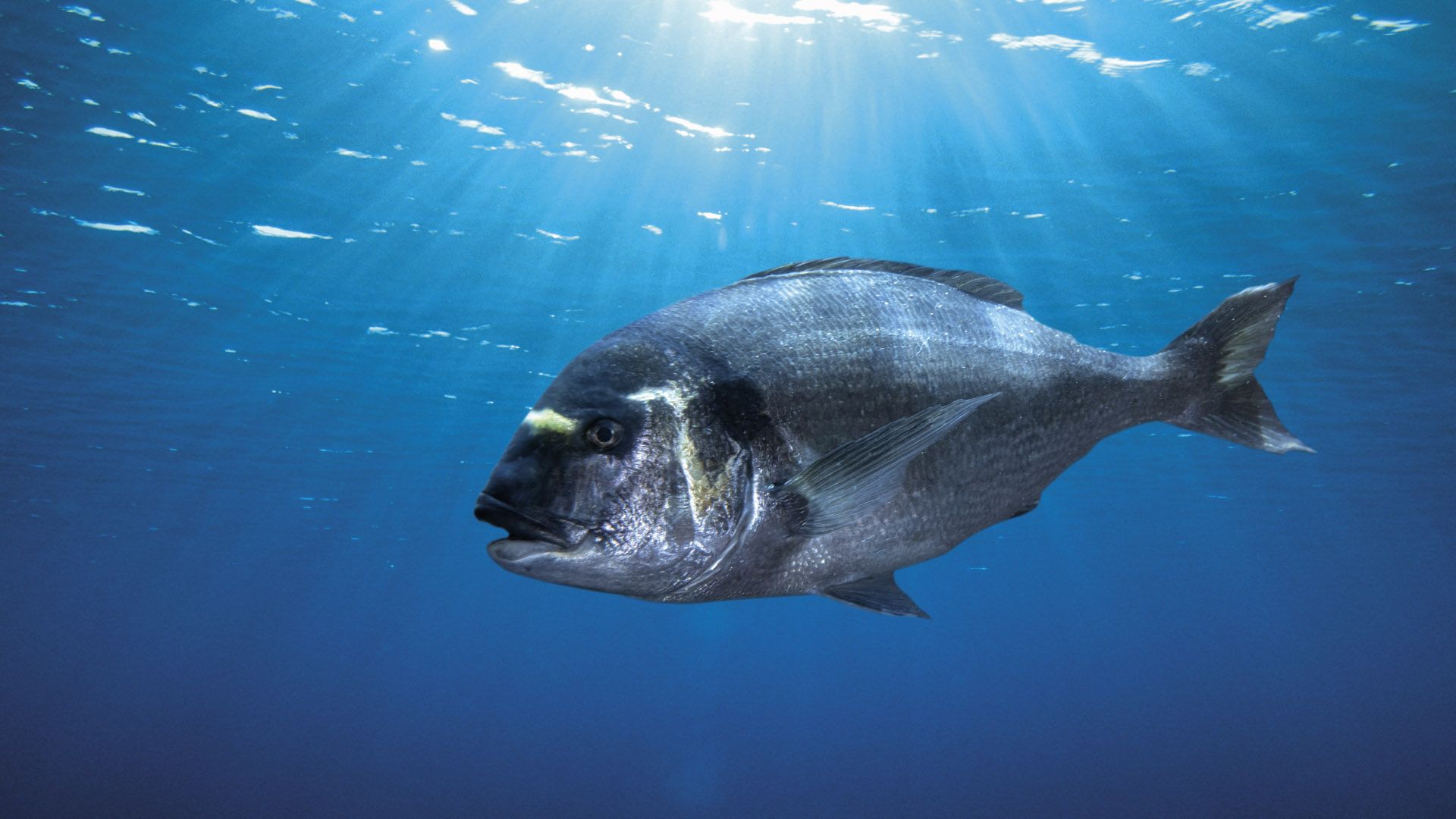
In the Cromaris broodstock facility, the best brood fish are carefully selected and maintained. The quality of Cromaris fresh fish begins with them.
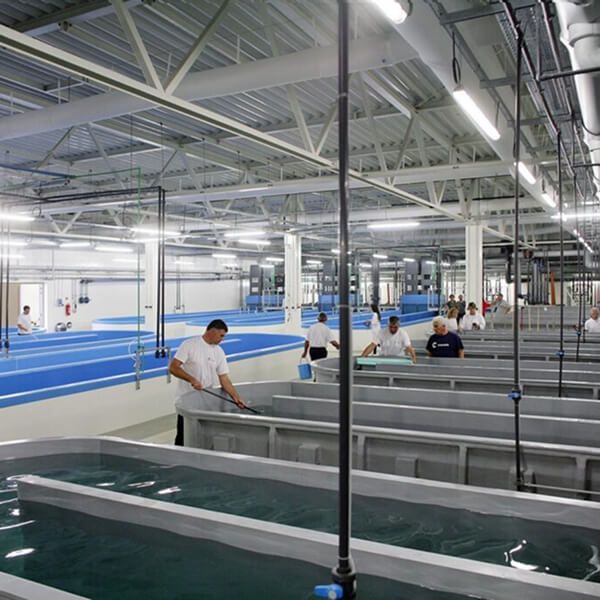
The hatchery is divided into broodstock, breeding units from the larval stage through metamorphosis to juveniles and departments for the production of zooplankton and phytoplankton, which are the first feed of our fish. When the juvenils reach weight of 3-5 grams they are transfered in the transport pools to our farms where its breeding cycle continues.
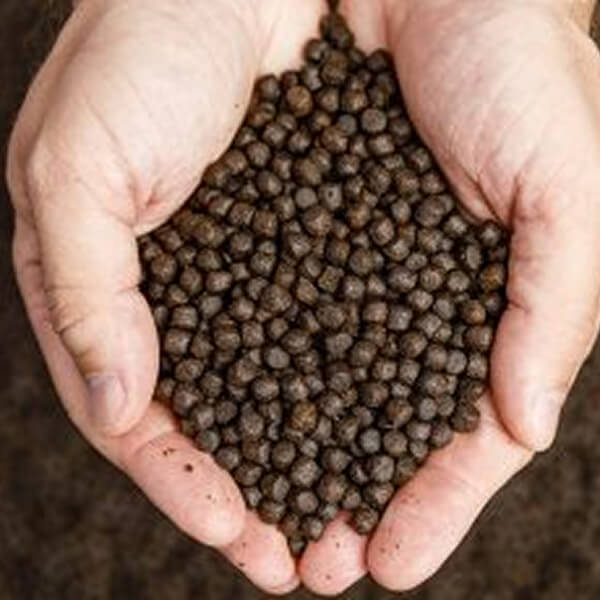
Fish feed is produced from sustainable sources according to the Cromaris fish feed formulation developed in 2016, the composition of which is regularly monitored. By producing feed according to its own formulation, Cromaris ensures control over the quality of raw materials, consistency of feed across all farming sites, and uniform nutritional value of the final product.
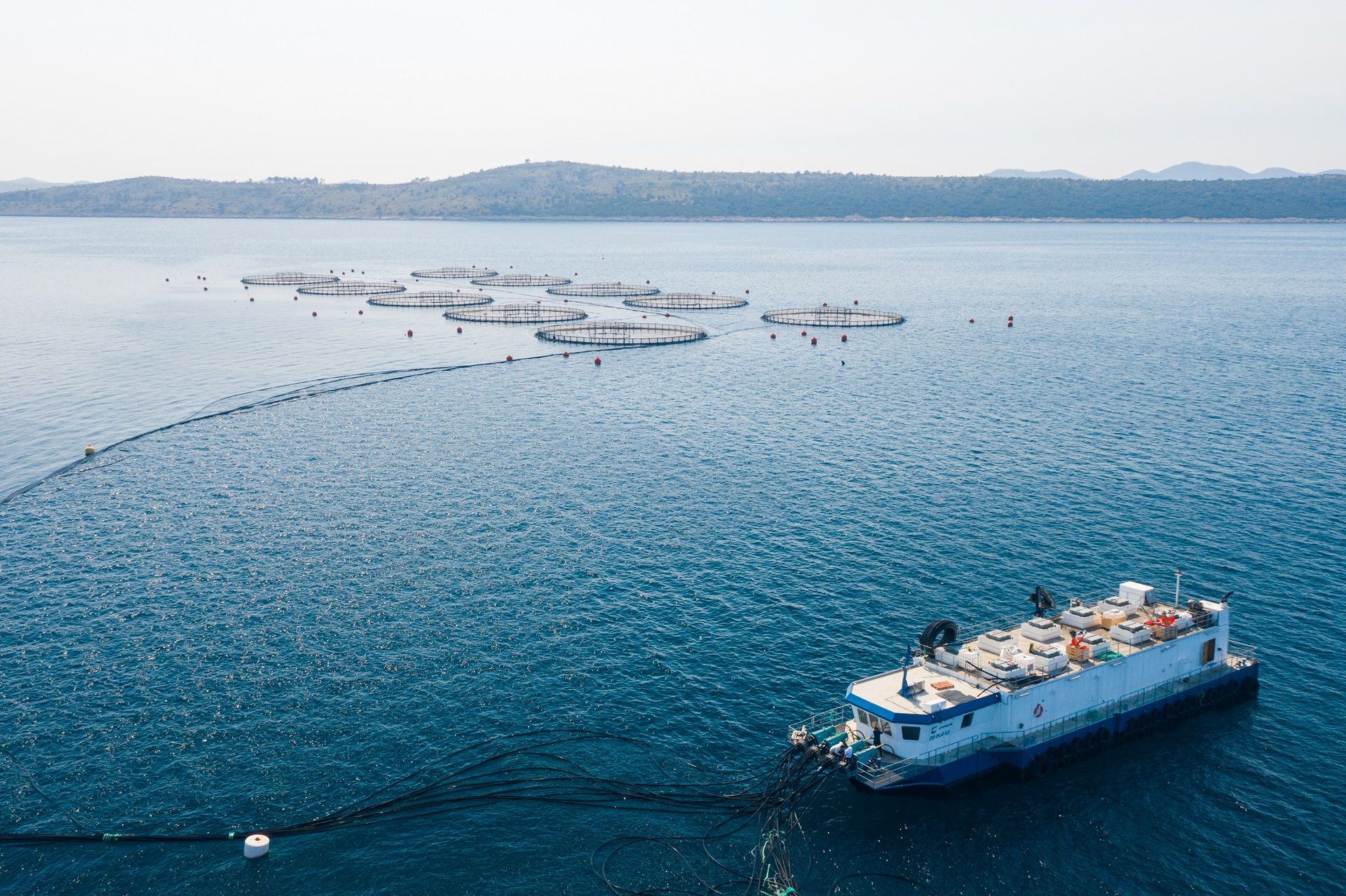
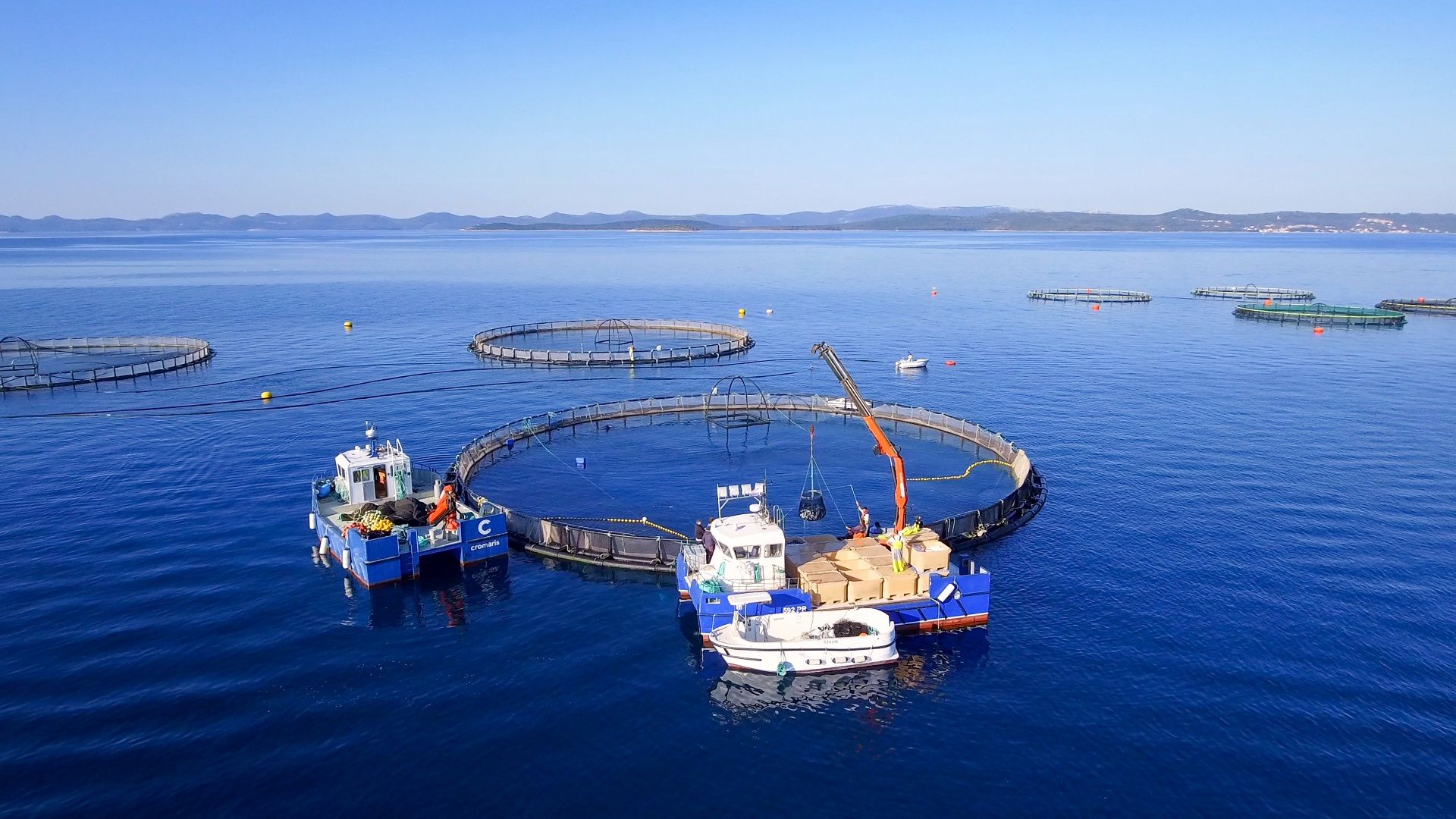
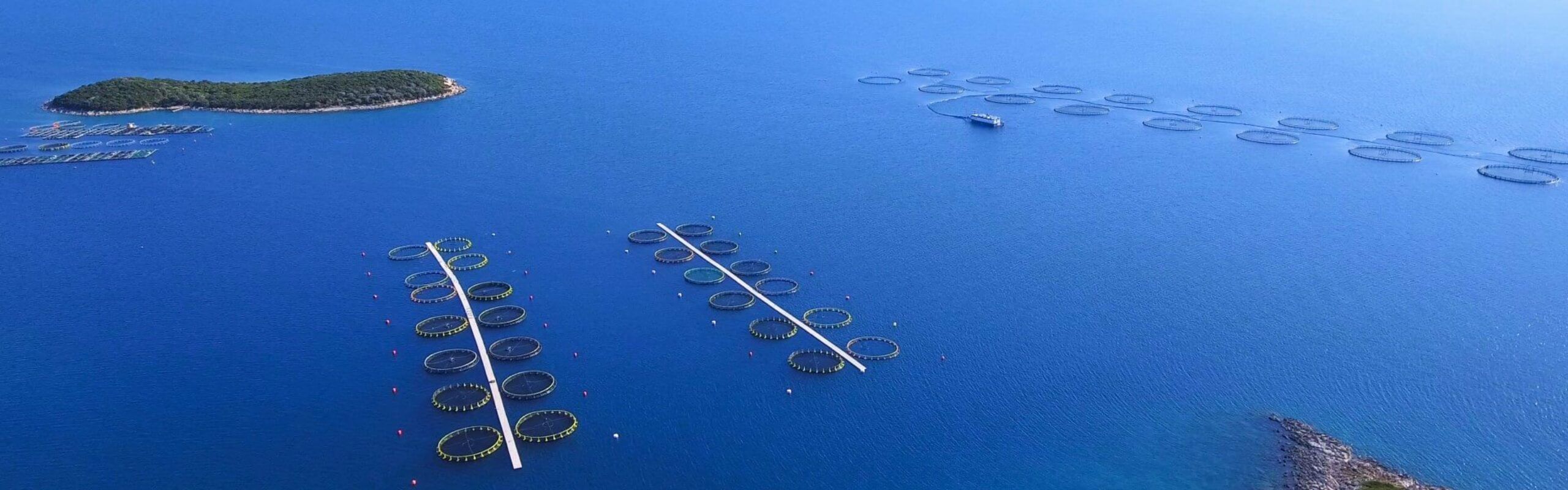
Juvenile fish weighing 3 to 5 grams are transported in transport tanks to Cromaris farming sites, where the fish continue their growth cycle. All our farming locations are chosen for their exceptional sea purity and quality which is a basic precondition for quality fish farming. Of the seven farms, six are located in the Zadar area (central Adriatic), and one in Istria (northern Adriatic).
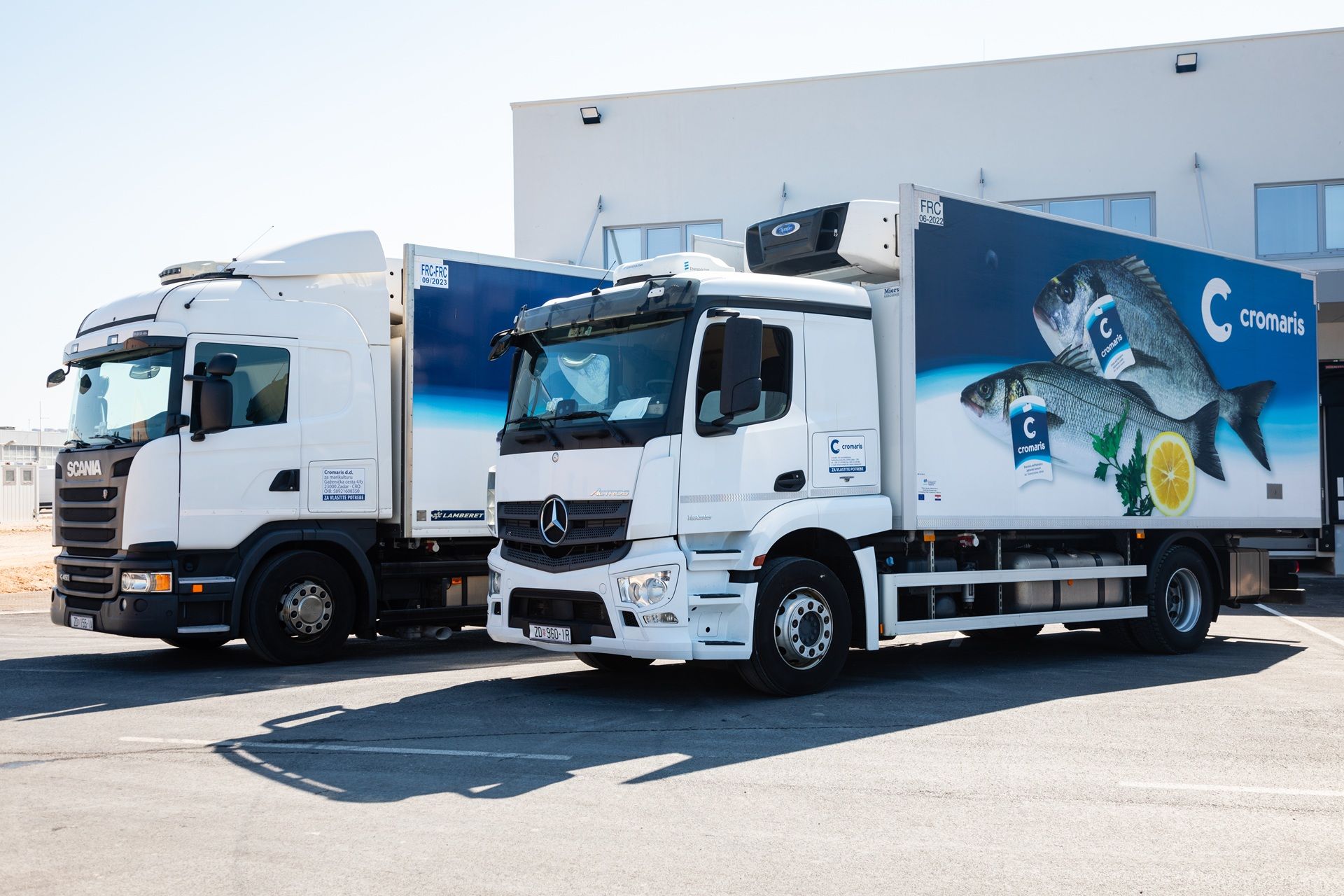
Fish are harvested five days a week, and from harvesting and sorting to delivery to domestic and international markets, an optimal cold chain is maintained. Harvested fish are transported to the production and logistics centre in Zadar, at the Port of Gaženica. By optimizing vessel and vehicle routes, the consumption of fossil fuels, carbon footprint, and impact on biodiversity are reduced.
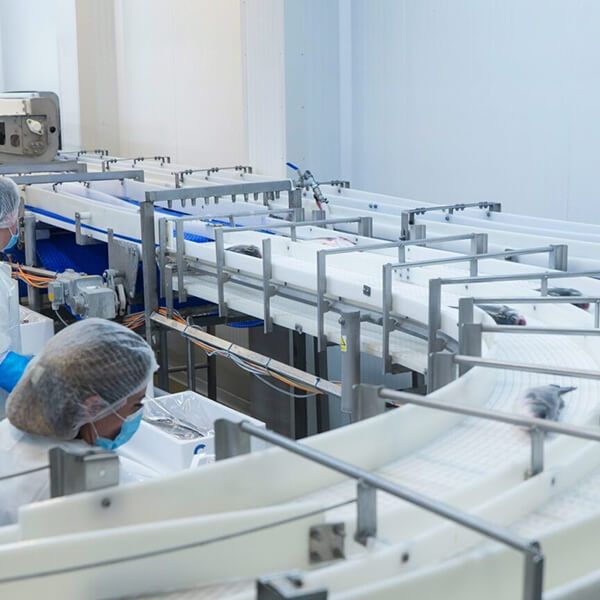
Cromaris processing plant is located in Zadar and is certified according to the strictest international food safety standards (GlobalGAP and IFS Food). Harvested fish is transported by Cromaris fleet vessels immediately after the harvest to the processing plant for the fish sorting process. Gutting and filleting of the fish is done by machine with minimal manual manipulation..
The greatest competitive advantage over the competition besides the quality of fish is quick delivery to target markets within 24-48h from the harvest. Besides Croatia, more than 85% of our production is exported, and we are currently present in more than 20 markets.
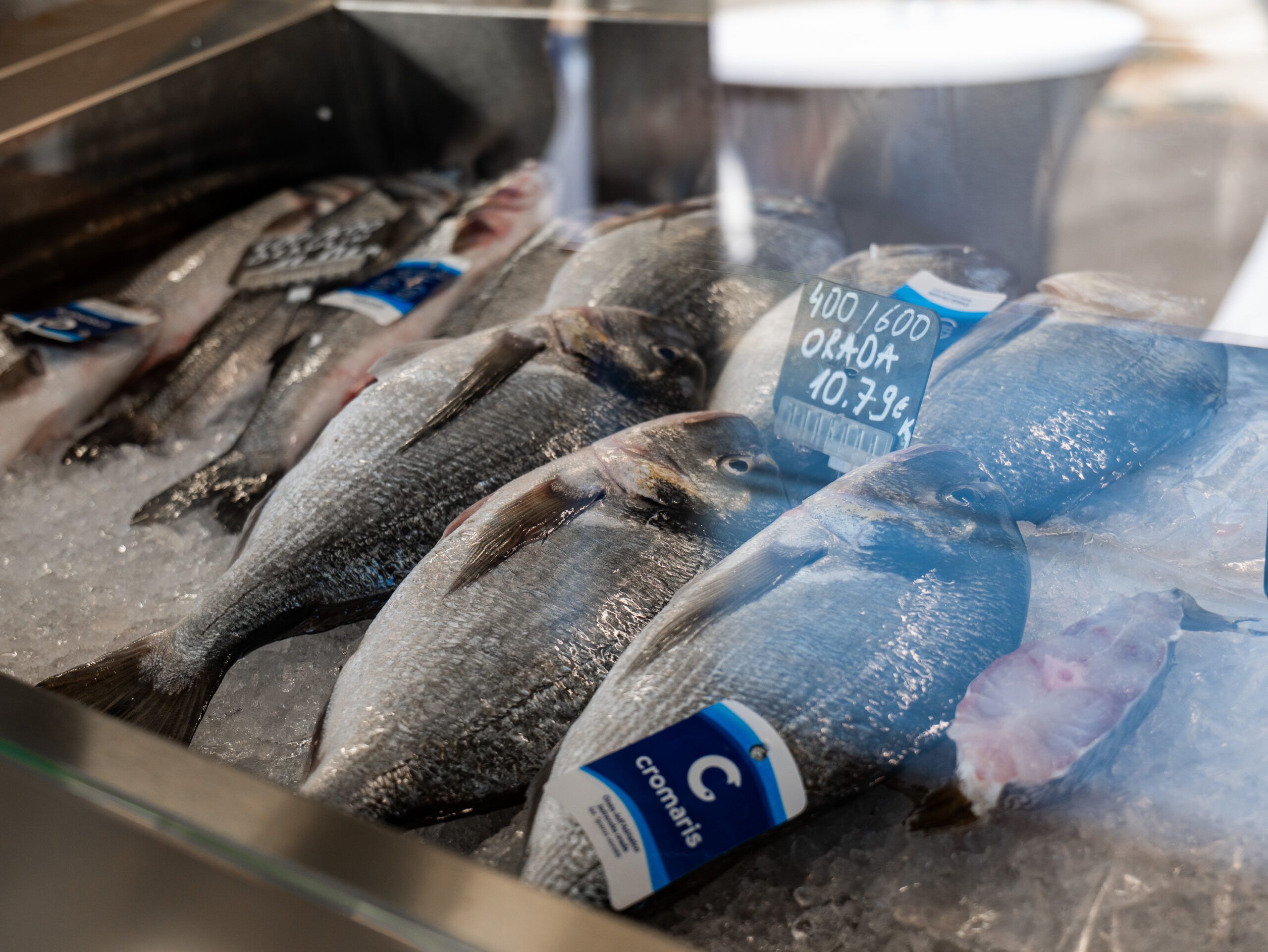
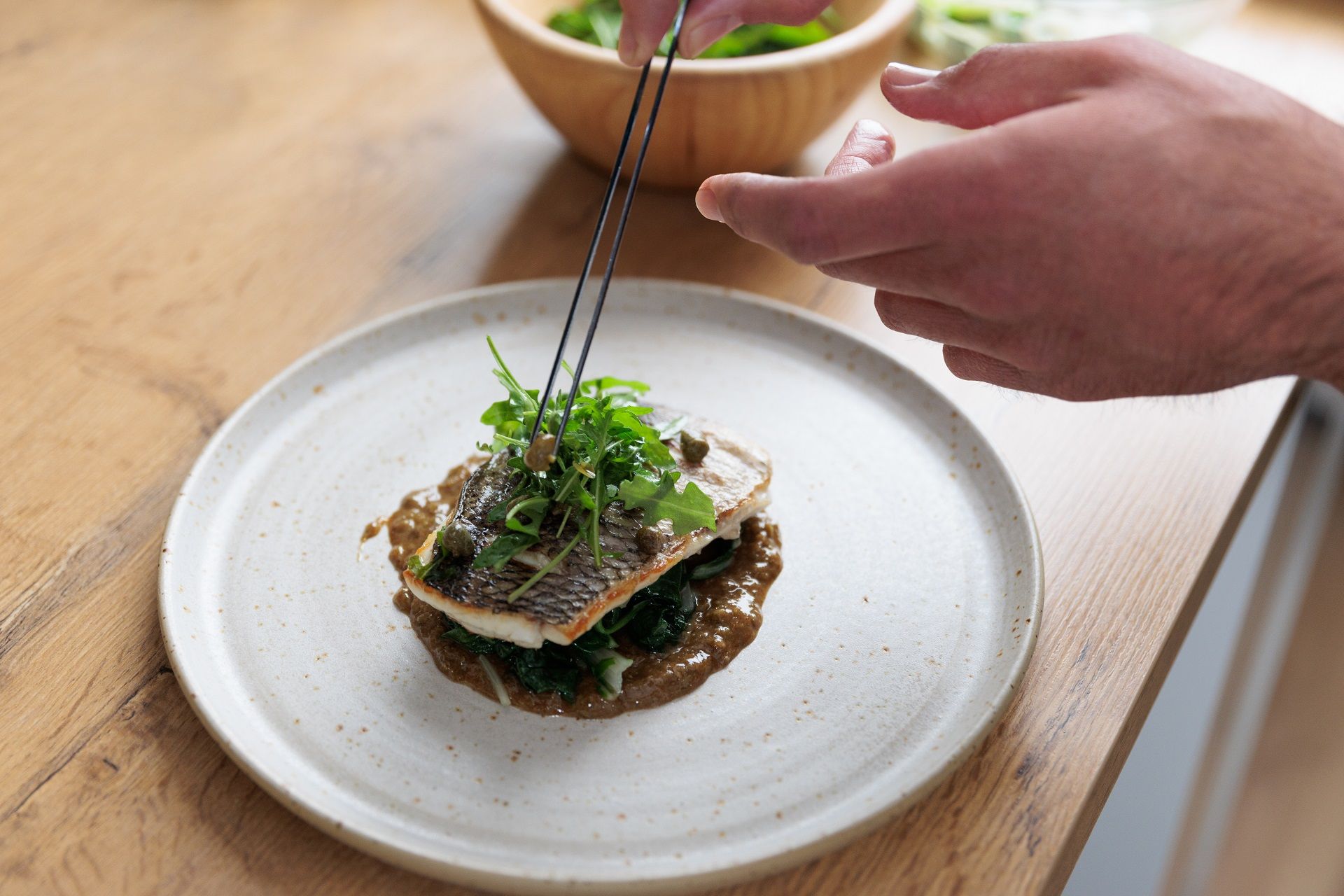
At points of sale, customers are offered Cromaris branded products with a high level of safety and transparency guaranteed.
Consumer protection and the right to accurate information are ensured through standardized and certified sustainable practices that confirm product traceability from sea to table, antibiotic-free farming, respect for animal welfare, ecological principles, and socially responsible business practices.